Production & Concert Design
Theatre, concert, choral, pageant, and large live events. Plot, paperwork, focus, and cueing all the way through opening.
Michael McBride · Salt Lake City, Utah
Michael McBride helped open the Conference Center in Salt Lake City and has run its lighting ever since. He also consults: new venues, renovations, productions, and second opinions on plans somebody else drew.
About
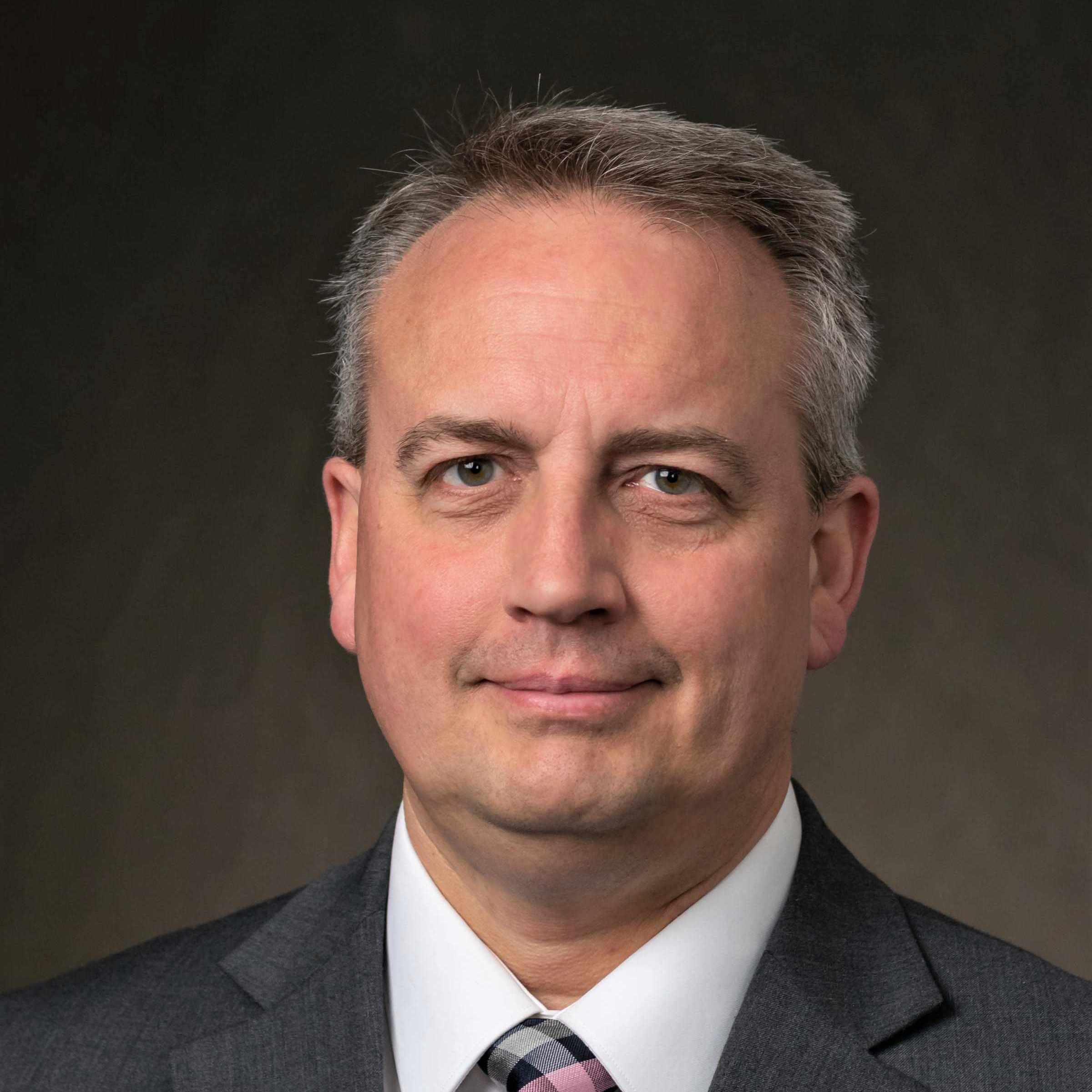
Michael McBride has been head lighting designer at the Conference Center in Salt Lake City for twenty-seven years. It seats 21,000, which by seat count makes it the largest theater auditorium in the world, and there's a 900-seat theater attached to it.
He was there before it opened. Nobody had lit the building yet, so there was no rep plot to inherit and nobody to ask. Most designers spend a career in rooms that already work. He got one that didn't exist yet, and then spent twenty-seven years finding out which of those early calls held up.
The building doesn't sit empty between conferences. It runs most weeks of the year: concerts, choir and orchestra programs, broadcasts, devotionals, pageants, and full theatrical productions, often turning over from one to the next in a matter of days. The Christmas concerts are the biggest thing on the calendar. Several nights in a row, tens of thousands of people, then a national PBS broadcast after.
In 2016 he toured Europe with The Tabernacle Choir at Temple Square. Seven cities, five countries, a little over two weeks, including the Berlin Philharmonie and the Musikverein in Vienna. Those halls are a good test of a designer. You arrive with a company of nearly four hundred and a design built for a room ten times the size, and you work with whatever rigging, power, and sightlines the building already has. He has also lit temple open houses and dedications overseas, usually with a few days of access and a crew he's never met.
He takes that experience to other people's projects as well: houses of worship, theatres, touring productions, architects, and integrators.
Services
Jobs range from a two-hour second opinion to running the design on a multi-year build. Most of them start with a conversation about what the room needs to do.
Theatre, concert, choral, pageant, and large live events. Plot, paperwork, focus, and cueing all the way through opening.
New builds and renovations, from someone who has opened one. Fixture and control specs, dimming and network infrastructure, rigging positions, and where things go so people can actually see.
Lighting that stays reverent and still lets people see what they came for. Congregational spaces, open houses, and dedications, here and overseas.
Rooms that hold up under multi-camera coverage and streaming. Color temperature, contrast ratios, and dimming that won't flicker on camera.
One show, a lot of different rooms. Adapting a design across halls that vary in size, power, and rigging, including tours abroad with local crews.
Rep plots and rigs for venues running back-to-back events, built so tomorrow's show can load in without starting from scratch.
A straight read on someone else's drawings, bids, or budget before you sign anything. Usually the cheapest hour a project spends.
Hands-on teaching for staff and volunteers: running the console, rigging safely, keeping up on maintenance, and writing it all down.
Selected Work
Some of the kinds of work behind the practice.

The biggest production of the year and the hardest one. A 360-voice choir, a full orchestra, bells, brass, and guest artists from Broadway and television, over several nights in front of tens of thousands of people. Then it gets cut and broadcast nationally on PBS. It has to look right to the room and to the camera at the same time, and there's no going back for another take.

He was on the project while the building was going up, and has been head designer for the 27 years since. Conferences, concerts, devotionals, and theatrical productions, turning over week to week in a room where the back row is 200 feet out.

Berlin's Philharmonie, Vienna's Musikverein, and five more halls in fifteen days. Nearly four hundred people on stage and a design meant for a 21,000-seat room, rebuilt for each house and whatever rigging and power it happened to have.

Public tours and dedication ceremonies in the U.S. and overseas. Reverent, ready for cameras, and installed in the few days of access anyone gets.

Hundreds of performers on a deep multi-level stage, with weather, long throws, and volunteer crews all factored in from the start.

Drama, musical theatre, and concert work in the 900-seat house. Plot, paperwork, and cueing right through opening night.

Console, network, and dimming laid out so the in-house crew can run it and the next designer can figure it out without a phone call.
On That Stage
Broadway leads, opera soloists, network anchors, and screen actors have all stood in the Christmas concert's light. Here's a partial list of who has been on that stage while Michael has been head lighting designer.
Listed as production credits. Guest artists appeared with The Tabernacle Choir at Temple Square and are not affiliated with, and have not endorsed, McBride Theatrical Consulting.
How It Works
No charge. We talk about the room, the schedule, and the budget. Twenty minutes is usually enough to tell whether it's a good fit.
A walk through the space, or a look at the drawings if it isn't built yet. Then a written scope with a fixed fee or a day rate.
Plot, paperwork, and specs, worked out with your people and your vendors, around the crew and calendar you actually have.
On site through load-in, focus, and cueing. The job isn't done until it's working in front of an audience.
Contact
New builds, renovations, a one-off production, or a second opinion on a bid. All of it is worth a conversation, and the first call is free.